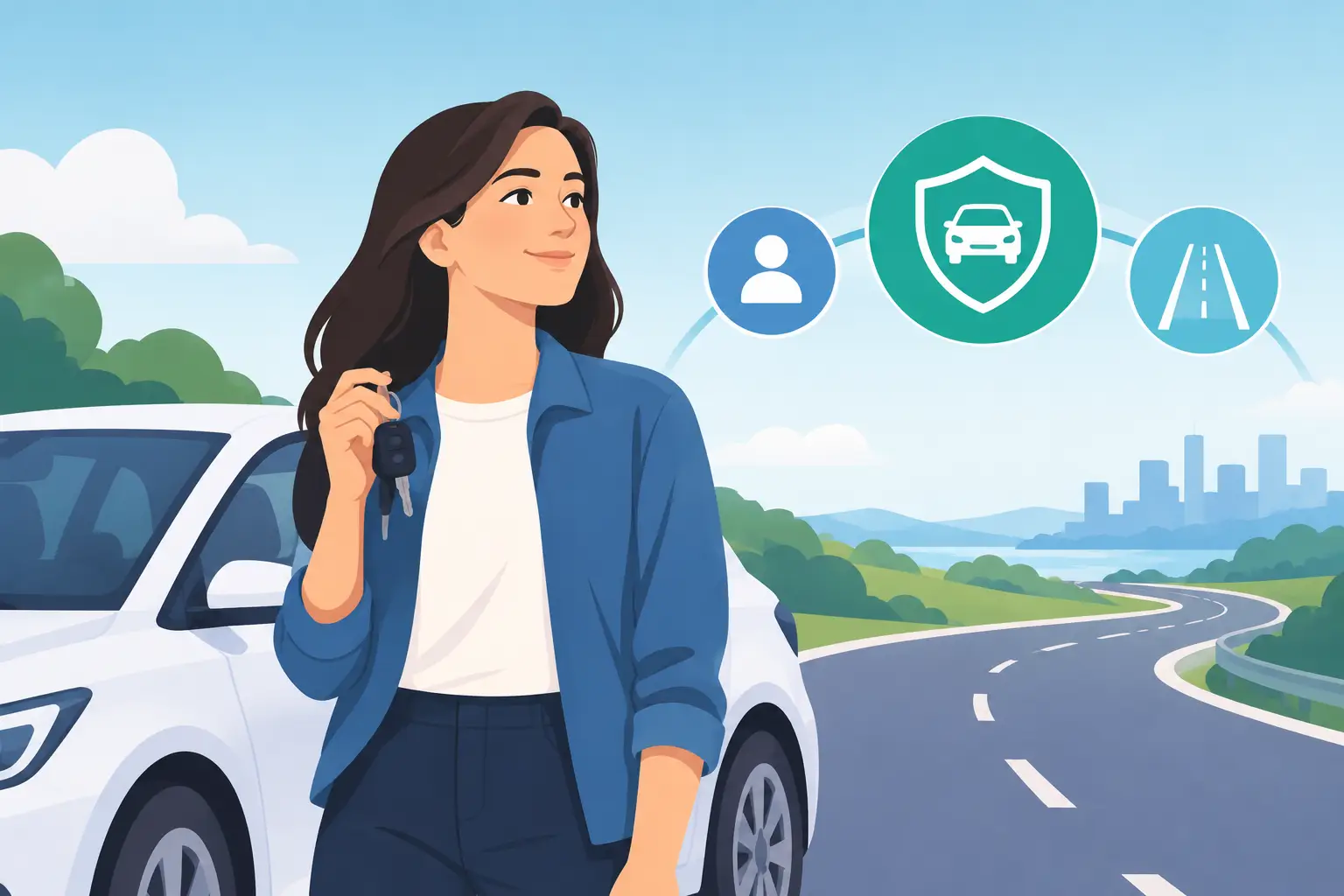
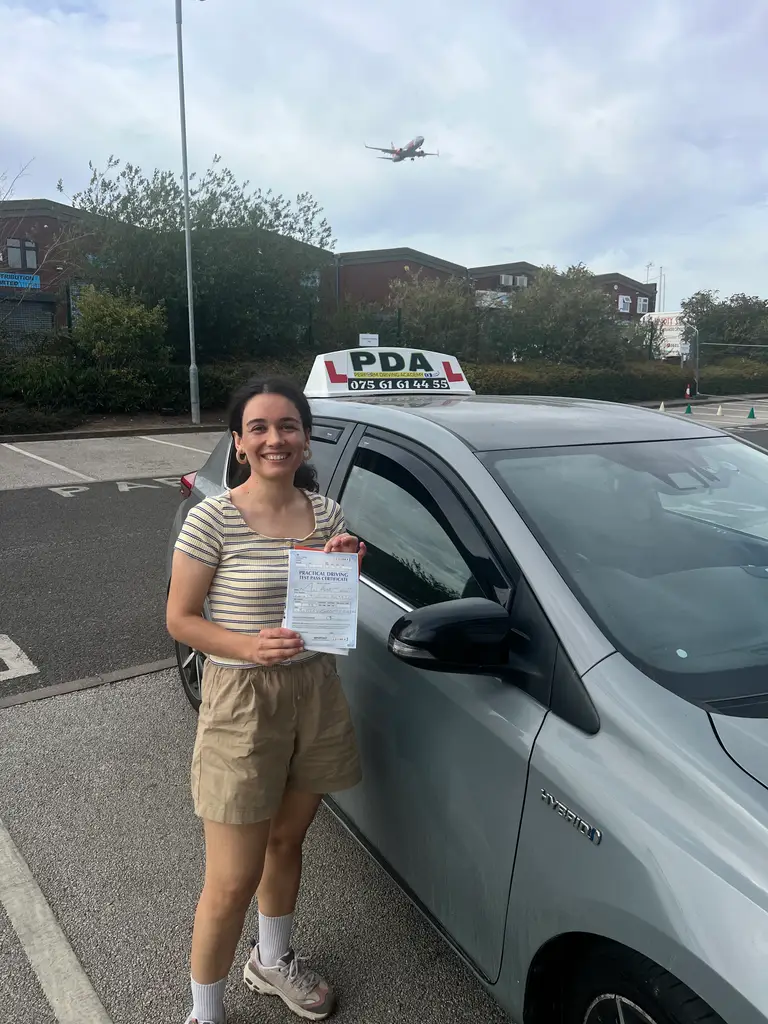
Passing your driving test is a major achievement, but it is also the point where many new drivers face their biggest learning curve. Pass Plus is designed for that next stage: building experience in the situations that may not have come up often during lessons or on test day. It gives newly licensed drivers structured, instructor-led practice that focuses on safer, more confident driving in the real world.
For many drivers, the first solo highway trip, night drive, or journey on unfamiliar rural roads can feel more challenging than the test itself. Extra training can turn those moments from stressful first attempts into skills you have already practiced with professional guidance.
What Is Pass Plus?
Pass Plus is an advanced practical training course for drivers who have passed their practical driving test. There is no separate test at the end. Instead, an approved instructor assesses your progress throughout the training and helps you develop the judgment, planning, and control needed for a wider range of roads and conditions.
The course is particularly useful soon after passing, while good habits from your lessons are still fresh. However, it can also suit drivers who passed some time ago and want support before driving farther, commuting regularly, or getting back behind the wheel after a break.
Pass Plus is not about repeating beginner lessons. You should already be able to drive independently and safely. The focus shifts to reading hazards earlier, choosing the right speed for conditions, dealing with faster traffic calmly, and making sound decisions when the road is unfamiliar.
The Driving Situations You Practice
Training is normally built around six types of driving: town driving, all-weather driving, rural roads, night driving, dual carriageways, and highways. The exact time spent on each area should reflect your current experience and the roads available locally.
Town and busy traffic
Urban driving asks you to process a lot at once. You may be dealing with buses, cyclists, pedestrians, delivery vehicles, changing lanes, traffic lights, and tight parking spaces in a short stretch of road. Your instructor can help you improve observation routines, road positioning, gap selection, and anticipation.
For Birmingham drivers, this can be especially valuable. Busy routes and complex junctions require more than technical car control. They require patience, planning, and the confidence to make safe progress without feeling pressured by the traffic around you.
All-weather and rural-road driving
Rain, fog, low sun, icy conditions, and standing water all affect what safe driving looks like. Pass Plus training helps you understand how weather changes stopping distances, visibility, tire grip, and the space you need around other road users. You cannot create every weather condition on demand, but a qualified instructor can teach you how to prepare and adapt when they arise.
Rural roads bring different risks. Sharp bends, limited visibility, mud on the road, farm traffic, horses, and unexpected changes in speed limit all demand early observation. A driver who is comfortable in city traffic may still find narrow country roads intimidating at first. Guided practice helps you avoid treating them like open, high-speed routes.
Night driving, dual carriageways, and highways
Night driving changes depth perception and visibility. Headlights from oncoming traffic, glare from wet roads, tiredness, and reduced ability to spot hazards early can all affect decision-making. You will practice using lights correctly, managing speed, and leaving enough time and space to respond.
Dual carriageways and highways are often the areas new drivers worry about most. Joining traffic at speed, choosing a safe gap, overtaking, using lanes properly, and leaving at the correct exit can feel overwhelming when you are doing it alone for the first time. With an instructor beside you, you can practice these skills in a calm, planned way and ask questions as situations develop.
Is Pass Plus Worth It for You?
Pass Plus can be worth it if your goal is to become more capable beyond the minimum standard needed to pass a test. It is a strong option for drivers who expect to use major roads regularly, start a new job involving travel, commute outside their local area, or drive with family members in the car.
It may also be a good fit if you passed your test but still avoid certain journeys. Perhaps you are confident driving to familiar places in daylight but put off highway trips or night driving. That does not mean you are a bad driver. It means you have identified where experience and professional feedback could help.
The value depends on what you need. If you have a specific concern, such as parking, roundabouts, driving after a long break, or anxiety in heavy traffic, a tailored refresher lesson may be a better starting point. Pass Plus works best when you want broader experience across several road environments.
Some insurers have previously offered discounts for completing Pass Plus, but this should not be the main reason to take it. Discounts vary by insurer, driver profile, vehicle, and location, and they may not always be available. The longer-term benefit is stronger road awareness and greater confidence, not a guaranteed insurance saving.
How the Training Should Feel
Good advanced training should be supportive, not pressurized. You should not be expected to perform perfectly on your first attempt at a new challenge. The purpose is to identify risks early, talk through your choices, and build confidence through repeated safe practice.
A qualified instructor should adapt the sessions to your needs. If highway driving is your main concern, more time may be spent preparing for joining, lane discipline, safe following distances, and exit planning. If night driving makes you anxious, your instructor should explain what to look for and help you develop routines that reduce uncertainty.
At PDA-Perform Driving Academy, the approach is centered on practical feedback and confidence-building skills. You should leave each session knowing what went well, what needs more work, and how to apply the lesson when you are driving independently.
Preparing for Your Pass Plus Sessions
Before your first session, be honest about your experience. Tell your instructor whether you have driven alone since passing, which roads you avoid, and what situations make you nervous. This helps create a plan that is useful rather than generic.
Make sure you bring your full driver’s license and wear suitable footwear. Try to arrive rested, especially if night driving is planned. You do not need to know every rule by memory, but reviewing highway signs, lane markings, and basic vehicle checks can help you get more from the practical time.
It is also worth setting a clear personal goal. You may want to feel ready for a new commute, visit family farther away, or stop relying on someone else for longer journeys. A specific goal gives your training direction and makes progress easier to recognize.
Confidence Comes From Experience, Not Luck
A driving test shows that you have reached the required standard to drive independently. Real confidence grows afterward, one well-handled journey at a time. Pass Plus gives you a safer place to gain that experience, ask questions, and strengthen the skills that matter when no instructor is sitting beside you.
If there is a type of road or condition you keep avoiding, treat that as useful information, not a personal failure. The right extra training can help you approach it with a plan, make better decisions, and enjoy the freedom your license is meant to give you.