Birmingham does not give new drivers much time to settle in. One minute you are handling a quiet residential street; the next, you are reading lane signs, managing a busy roundabout, watching for buses, and planning your position well before the turn. That is why driving lessons Birmingham learners choose should build more than test-route familiarity. They should help you make calm, safe decisions wherever the road takes you.
A driving test is a clear goal, but a license is the beginning of independent driving, not the finish line. The right training gives you the practical skills to commute, visit family, travel for work, or simply get behind the wheel without feeling overwhelmed.
What Good Driving Lessons in Birmingham Should Cover
Every learner starts in a different place. Some have never adjusted a seat or moved off from the curb. Others have had lessons before, paused for years, or feel comfortable with basic controls but struggle at roundabouts, junctions, or parking. A useful course begins with an honest assessment, then follows a plan that matches your pace.
Your early lessons should cover the foundations: cockpit drill, moving off and stopping safely, steering control, gears if you are learning manual, and effective observation. As your confidence grows, lessons should move into real traffic situations. That includes meeting oncoming vehicles, choosing the correct lane, responding to road signs, handling pedestrian crossings, and driving independently with safe judgment.
Birmingham’s variety of roads makes this progression especially valuable. You may need to deal with narrow streets lined with parked cars, multi-lane intersections, frequent speed changes, complex roundabouts, and busier dual carriageways. Practicing these situations gradually with a patient instructor helps turn uncertainty into a routine process.
A strong instructor also explains the reason behind each decision. Instead of only hearing “turn left here,” you should understand how to spot the road early, check mirrors, signal at the right time, choose a safe approach speed, and position the car properly. Clear explanations make it easier to repeat good habits when you are driving alone.
Choose Manual or Automatic Driving Lessons
The manual versus automatic decision is personal, and it is worth making before you invest in a package of lessons. Neither option is automatically better for every learner.
Manual lessons give you experience with clutch control and gear selection. A manual license lets you drive both manual and automatic vehicles, which can offer more flexibility when choosing a car for work, family, or travel. However, learning gears adds another task at first. Some learners need more time to feel relaxed when approaching hill starts, slow traffic, or busy junctions.
Automatic lessons remove clutch and gear work, allowing many pupils to focus sooner on observation, steering, road position, and planning ahead. For learners who are anxious, short on time, or simply prefer a simpler driving experience, automatic tuition can be a practical choice. The trade-off is that an automatic-only license restricts you to automatic vehicles.
The best choice depends on your needs, not someone else’s opinion. Think about the vehicle you expect to drive after passing, how quickly you need to progress, your budget, and whether coordination with a clutch feels like a barrier to confidence. A knowledgeable instructor can talk through the options before you commit.
The Instructor Relationship Matters
Learning to drive involves making mistakes in public, often while other road users are waiting behind you. That can feel stressful, especially if you have had an impatient instructor in the past. Your instructor should create a professional, supportive environment where questions are welcomed and errors become useful learning moments.
Look for a DVSA-approved instructor who gives specific feedback. “You need more confidence” is not enough on its own. Helpful feedback identifies what happened, why it happened, and what you will do differently next time. For example, if you approach roundabouts too quickly, your instructor should help you recognize the signs earlier, adjust your speed progressively, and plan your lane before reaching the entry.
Instructor choice also matters. Some learners feel more comfortable learning with a male or female instructor. Others need lessons outside standard working hours, a teacher experienced with nervous drivers, or support in a manual or automatic car. These preferences are not minor details. Feeling at ease helps you concentrate, ask questions, and make steady progress.
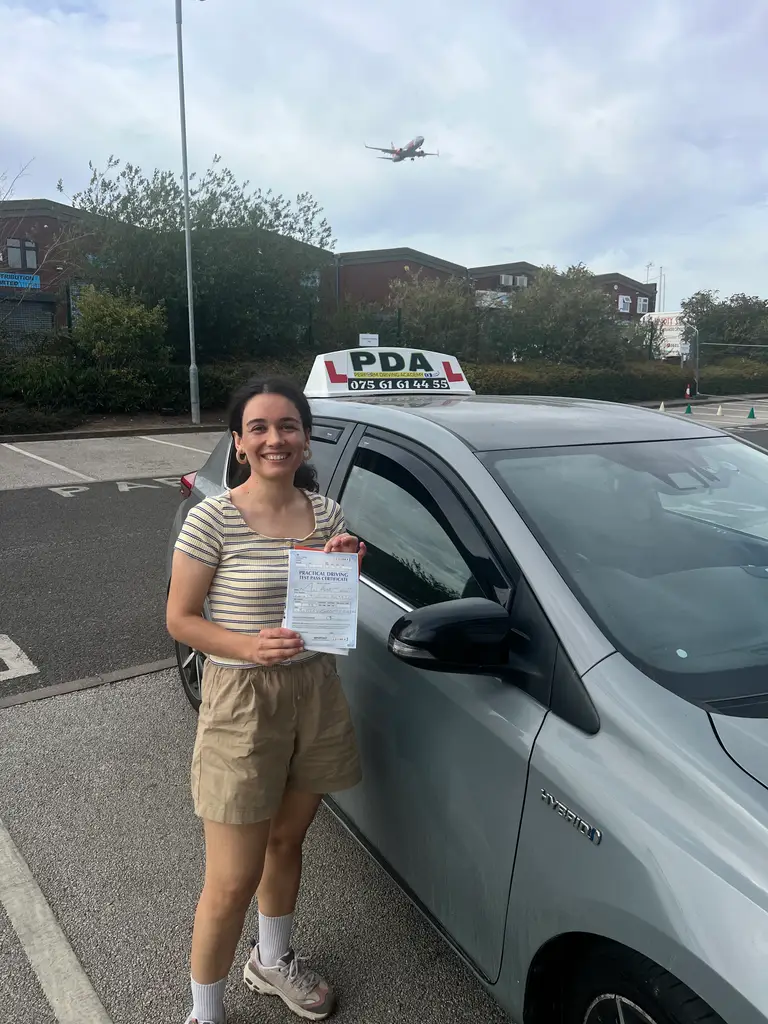
At PDA-Perform Driving Academy, structured training is designed around the learner rather than a one-size-fits-all lesson sequence. That means setting clear goals, reviewing progress, and spending time where it makes the greatest difference to safe driving.
Build a Lesson Plan Around Your Goal
A good lesson plan should be flexible, but it should never be vague. Whether you are starting from zero or returning after a break, you should know what you are working on and what comes next.
For a new learner, the journey usually starts in quieter roads before progressing to more demanding traffic conditions. Once the basics are consistent, you can develop skills such as crossroads, roundabouts, dual carriageways, reversing maneuvers, emergency stops, and independent driving. Mock tests are useful later on, but they work best when they reveal areas to improve rather than become the whole course.
If you already have experience, an assessment lesson can prevent wasted time. Perhaps your control is strong but your observations need work. Maybe you passed theory knowledge but have not driven in months. A tailored plan lets you concentrate on the skills that will make you safe and test-ready instead of repeating every topic from the beginning.
Progress tracking can make the process less stressful. Seeing that you have moved from basic junctions to busy roundabouts, or from guided maneuvers to independent driving, gives you evidence that the work is paying off. It also makes conversations about test readiness more straightforward.
Be cautious of anyone promising a pass by a certain date without first assessing your standard. Test readiness depends on consistency, not just a single good drive. You need to show safe observation, controlled driving, sound judgment, and the ability to recover calmly if something unexpected happens.
When an Intensive Course Makes Sense
Intensive driving courses can be a good option for learners with a clear deadline. You may need a license for a new job, university placement, family responsibility, or private-hire opportunity. Concentrated lessons can help you retain skills between sessions and build momentum quickly.
That said, an intensive course is not a shortcut around learning. Several hours of driving in a day can be mentally demanding, and not every beginner benefits from that pace. It tends to work best for learners who can commit focused time, have a realistic test target, and are ready to absorb feedback each day.
Before booking an intensive course, ask how the training is structured, whether it includes an assessment, how practical test preparation is handled, and what happens if you need more practice. A course designed to prepare you for a test within one week should still prioritize safe decision-making over rushing through topics.
Passing Is Only One Part of Becoming a Strong Driver
Once you pass, the learning continues. Pass Plus, refresher lessons, and defensive-driving sessions can be valuable if you want extra experience with motorways, night driving, poor weather, or unfamiliar routes. They are also helpful for drivers returning after a long break or rebuilding confidence after a difficult experience on the road.
The goal is not to drive nervously while avoiding mistakes. It is to become observant, prepared, and capable of responding safely when conditions change. That confidence comes from sound habits practiced repeatedly, not from memorizing a route.
Choose driving lessons that respect your starting point and challenge you at the right pace. With patient guidance, a clear plan, and regular practice, Birmingham’s busy roads can become the place where your independence begins.